
The three categories
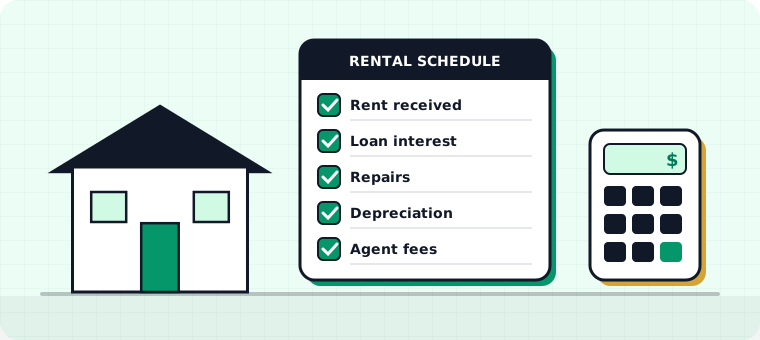
The ATO says there are 3 rental expense categories, those for which you:
- "can claim a deduction now (in the income year you incur the expense) – for example, interest on loans, council rates, repairs and maintenance and depreciating assets costing $300 or less"
- "can claim a deduction over several years – for example, capital works, borrowing expenses and the decline in value of depreciating assets that cost more than $300"
- "can't claim a deduction – for example, personal expenses, including expenses arising from your personal use of the property, some expenses of a capital nature and the purchase of second-hand (or used) depreciating assets after 9 May 2017."
1. Expenses you can claim now
The ATO's Common property expenses page lists these as immediate deductions, provided the property is rented or available for rent on commercial terms:
- advertising for tenants
- body corporate administrative fund fees and charges
- council rates, water charges, land tax
- cleaning, gardening and lawn mowing
- pest control
- insurance (building, contents, public liability, loss of rent)
- interest expenses
- pre-paid expenses
- property agent's fees and commission
- repairs and maintenance
- legal expenses (some — for example, evicting a non-paying tenant).
A few traps the ATO points out on the same page:
- Body corporate special levies to fund a particular capital improvement aren't deductible. You may get a capital works deduction once the work is done.
- Pre-paid expenses under $1,000, or with a service period of 12 months or less ending in the next income year, can generally be claimed straight away. Bigger or longer prepayments are spread.
- Land tax is claimed in the income year the liability relates to, not the year you pay it.
2. Expenses you claim over several years
- Capital works — the building and structural improvements. A depreciation schedule from a quantity surveyor sets these out.
- Borrowing expenses — loan establishment fees, lender's mortgage insurance, mortgage stamp duty and similar. The ATO says you claim them "for 5 years or spread it over the term of the loan, whichever is shorter", unless the total is $100 or less.
- Depreciating assets costing more than $300 — claimed as decline in value over the asset's life.
3. Expenses you can't claim
The ATO lists these:
- expenses not actually paid by you, such as water or electricity charges paid by your tenants
- acquisition and disposal costs, including the purchase cost, conveyancing and advertising costs (these usually go into the cost base instead)
- decline in value of second hand depreciating assets
- ownership or use expenses for a holiday home that isn't used (or held for use) mainly to produce rental income
- GST credits for anything you buy for a residential rental — you claim the full amount you paid instead.
See also: conveyancing fees, stamp duty and buyer's agent fees.
When you need to apportion
The ATO says you need to apportion your expenses if, for example, the property is only rented for part of the year, you use it privately for part of the year, you only rent out part of it, you rent it below market rates, or you use your investment loan for private purposes. Co-owners split income and expenses according to their legal interest in the property.
Costs that relate only to renting the property out, such as advertising for tenants and real estate commissions, don't need to be apportioned. The ATO says these "are fully deductible in the year they are incurred."
Contractors without an ABN
If a contractor doesn't give you their ABN, the ATO says you may have to withhold 47% from the payment, and "You may not be able to claim deductions for these expenses if you don't withhold when you were required to."
Negative gearing changes
The ATO notes that the negative gearing changes announced in the 2026–27 Federal Budget "don't apply in the 2025–26 tax return." They start from 1 July 2027. Read our guide to the changes.
Sources
- ATO, How to claim rental expenses (last updated 23 July 2026)
- ATO, Common property expenses (last updated 21 May 2026)
- ATO, Borrowing expenses (last updated 22 May 2026)
General information only. This page is general in nature and isn't personal tax, financial or legal advice. It reflects the ATO pages listed above as checked on 20 November 2026. Tax law changes often, so speak to a registered tax agent about your own circumstances before acting.